How we Make High Quality Raisins
Introduction
Raisins are a cherished and versatile ingredient in many cuisines worldwide, and among the most revered are Persian raisins. Renowned for their exceptional quality and sweet, nuanced flavors, Persian raisins have a special place in culinary traditions, especially in the heart of Iran where they are cultivated, processed, and celebrated with great care. In this comprehensive explanation, we delve into the intricate process of turning handpicked grapes into the finest Persian raisins, exploring the factors contributing to their premium quality and the rich culinary heritage they embody.
Part 1: The Art of Grape Selection
The Foundation of Quality
The journey of creating premium Persian raisins begins with the careful selection of grape varieties. In Iran, grapes used for raisin production are meticulously chosen for their suitability to the climate and soil conditions. Two of the most commonly used grape varieties are Sultana and Malayer grapes. These grapes are favored for their sweetness, tenderness, and thin skins, which make them ideal for drying into raisins.
Handpicking Grapes
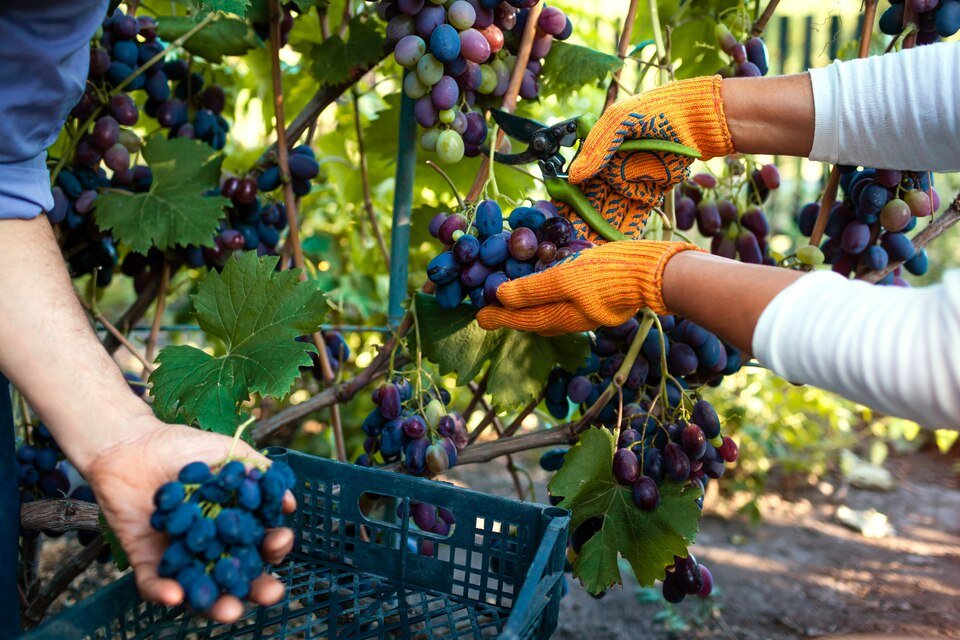
One of the critical factors in producing top-quality Persian raisins is the method of grape harvesting. Rather than relying on mechanical harvesting, which can damage the delicate grapes, Iranian farmers prefer the traditional approach of handpicking. This labor-intensive method ensures that only ripe and undamaged grapes are chosen, preserving the overall quality of the raisins.
Timing is Everything
The timing of grape harvest is another crucial aspect. Persian raisin producers carefully monitor the grape clusters, waiting for the optimal moment when the grapes are at their peak ripeness. This precise timing is essential for achieving the desired sweetness and flavor in the raisins.
Part 2: Drying, the Transformation Process
Sun-Drying: A Natural Art
After the grapes are handpicked, they are laid out in the sun to undergo the drying process. Sun-drying is a hallmark of Persian raisin production. The grapes are spread on clean, flat surfaces and left to bask in the warm Iranian sun. This natural drying method allows the grapes to lose moisture gradually, concentrating their natural sugars and flavors.
Purity and Care
Throughout the drying process, it’s essential to maintain the cleanliness and purity of the grapes. Any foreign particles, dust, or debris must be carefully removed to ensure the raisins’ high quality. This meticulous attention to detail sets Persian raisins apart and contributes to their purity of taste.
The Art of Turning Grapes
Sun-drying requires a delicate balance between exposing the grapes to the sun’s warmth and protecting them from excessive heat. Skilled raisin producers regularly turn the grape clusters to ensure even drying and prevent overexposure. This artful technique is vital to achieving raisins with a consistent texture and flavor.
Part 3: Persian Raisins – A Culinary Gem
Rich Nutritional Profile
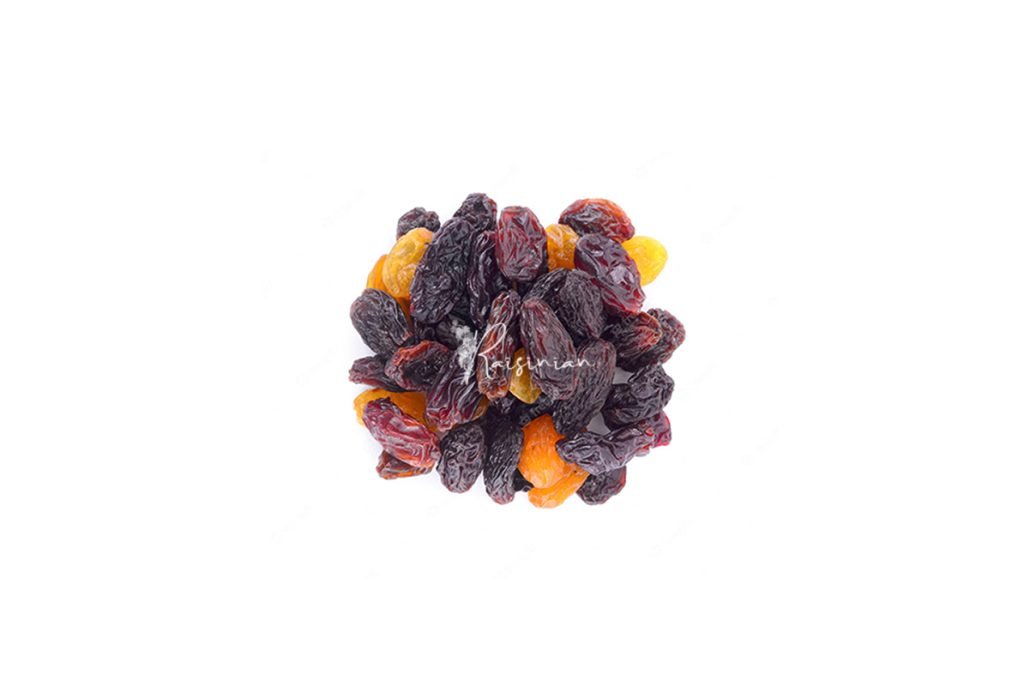
Persian raisins are celebrated not only for their taste but also for their nutritional value. They are a natural source of energy, rich in dietary fiber, vitamins (particularly B vitamins), and essential minerals like potassium and iron. Their antioxidant content contributes to their health benefits and makes them a valuable addition to a balanced diet.
Culinary Versatility
The culinary heritage of Iran is enriched by the use of raisins in a wide range of dishes. Persian cuisine often features raisins in both sweet and savory recipes. In savory dishes like rice pilafs and stews, raisins add a touch of sweetness and complexity to the flavor profile. In desserts, they are a central element, contributing to the creation of exquisite sweets and pastries.
Celebratory Traditions
Raisins hold a special place in Iranian culture, especially during festive occasions. They are often offered as symbols of hospitality and goodwill. The “Sofreh Aghd,” a spread used in Persian wedding ceremonies, includes raisins and other dried fruits to represent sweetness and the hope for a sweet life ahead.
Part 4: Quality Assurance and Export

Stringent Quality Control
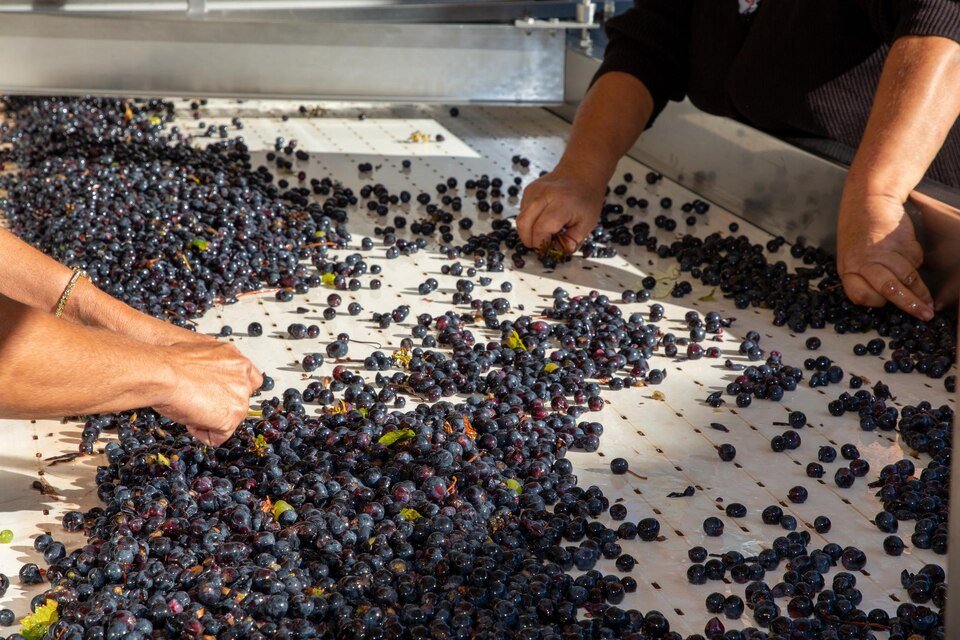
To maintain the exceptional quality of Persian raisins, rigorous quality control measures are in place throughout the production process. Inspection and sorting procedures are conducted at various stages to ensure that only the best raisins make it to market. This commitment to quality sets Iranian raisins apart as a premium product.
Global Export and Demand
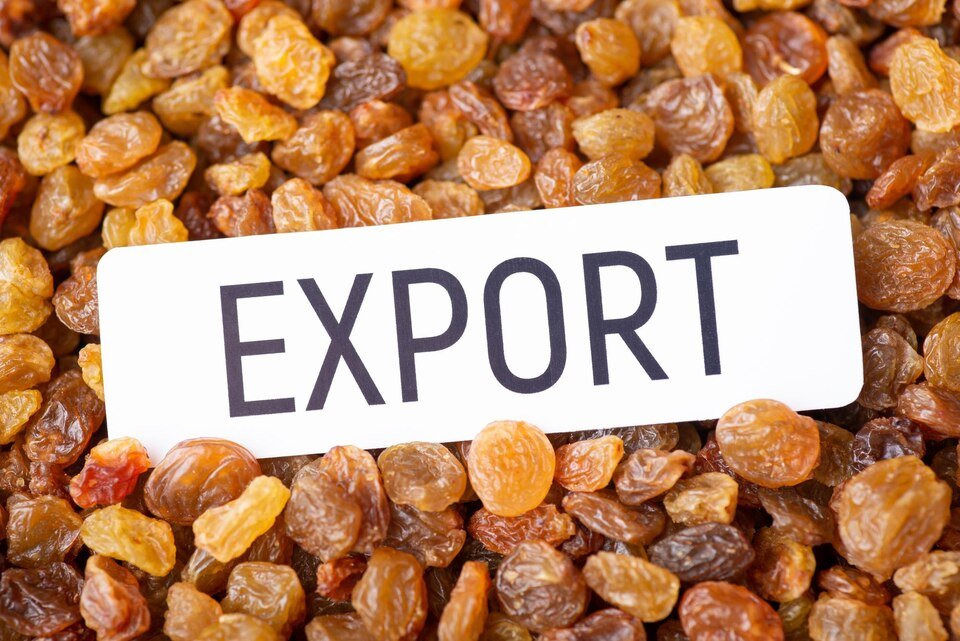
Iranian raisins have earned a reputation for their superior quality, leading to high demand in both domestic and international markets. They are exported to numerous countries worldwide, where they are sought after by chefs, bakers, and consumers who value their unique flavor and texture.
Part 5: Conclusion – The Artistry of Persian Raisins
In conclusion, the journey of transforming handpicked grapes into the finest Persian raisins is a captivating blend of tradition, artistry, and meticulous care. The selection of grape varieties, the labor-intensive handpicking process, the natural sun-drying method, and the commitment to quality control all contribute to the exceptional nature of Iranian raisins. Beyond their technical excellence, Persian raisins carry with them a rich culinary heritage and cultural significance, making them a beloved ingredient in Iranian cuisine and a cherished export to the world.
With their exceptional taste, versatility in the kitchen, and a history rooted in tradition, Persian raisins stand as a testament to the artistry and passion of those who cultivate, process, and celebrate these delectable fruits. Whether enjoyed on their own as a snack or used to enhance the flavors of a dish, Persian raisins are an embodiment of the culinary excellence that Iran is known for, and they continue to enchant palates and hearts around the globe.